Amira Ouji

Revolution Team
May 15, 2026
5 min
Denver sits a mile above sea level. The air is thinner, the views are more expansive, and the clarity that comes with elevation made it a fitting destination to spend 24 hours talking about how founders build toward optionality.
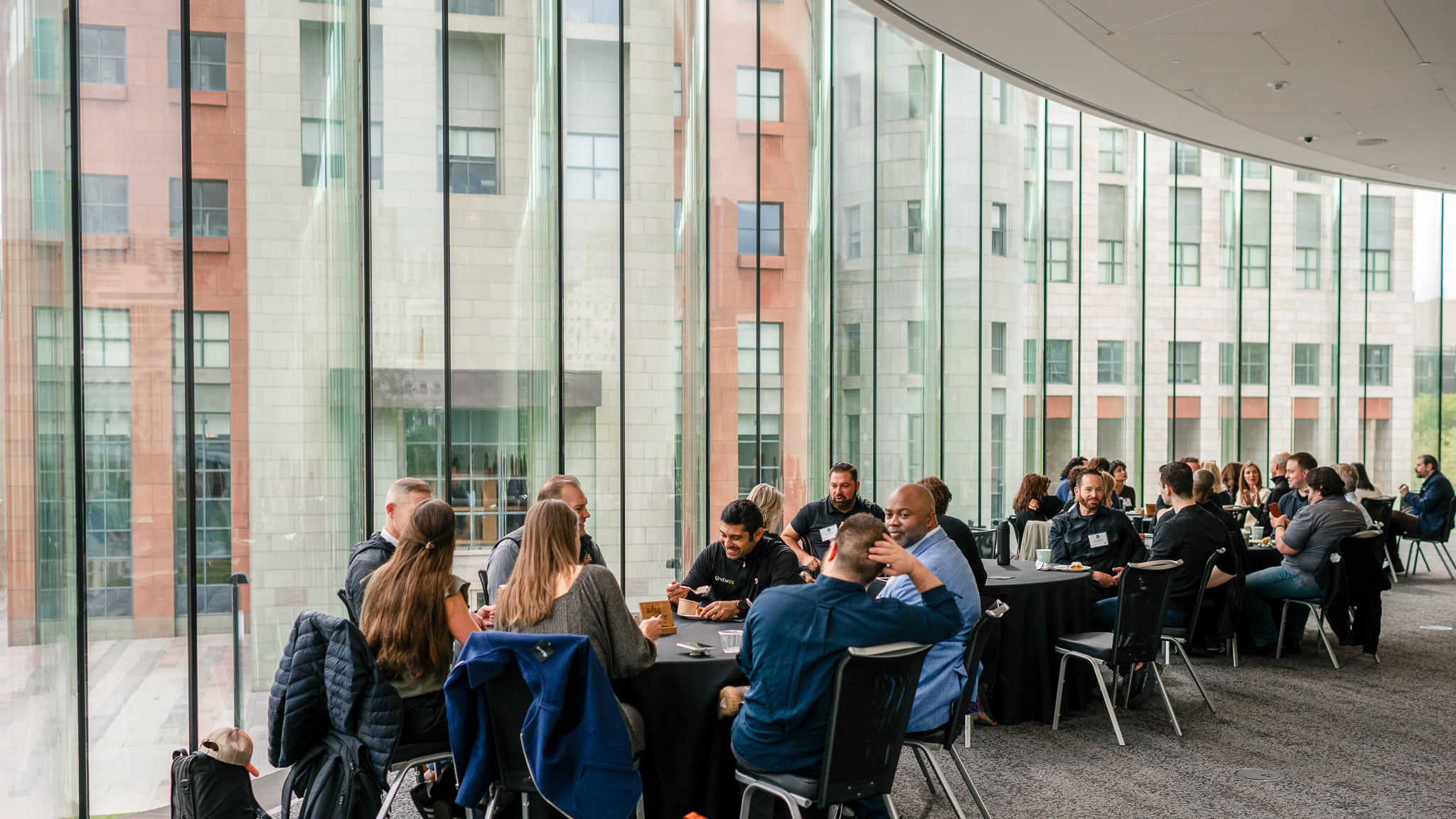
Earlier this month, we brought together portfolio execs from across the country for our Founder Fly-In in the Mile High City. Building on last June’s Chicago gathering, where we focused on tactical tools for turbulent times, Denver was about the long game: how founders engineer liquidity and longevity.
Colorado has built one of the more distinctive tech ecosystems in the country, with genuine depth in aerospace, defense, and health tech, a growing quantum computing hub, and a consumer and outdoor brand roster to match its mountainous terrain. It’s also managed to attract and keep talent that chooses the state deliberately, which tends to produce a different kind of builder.
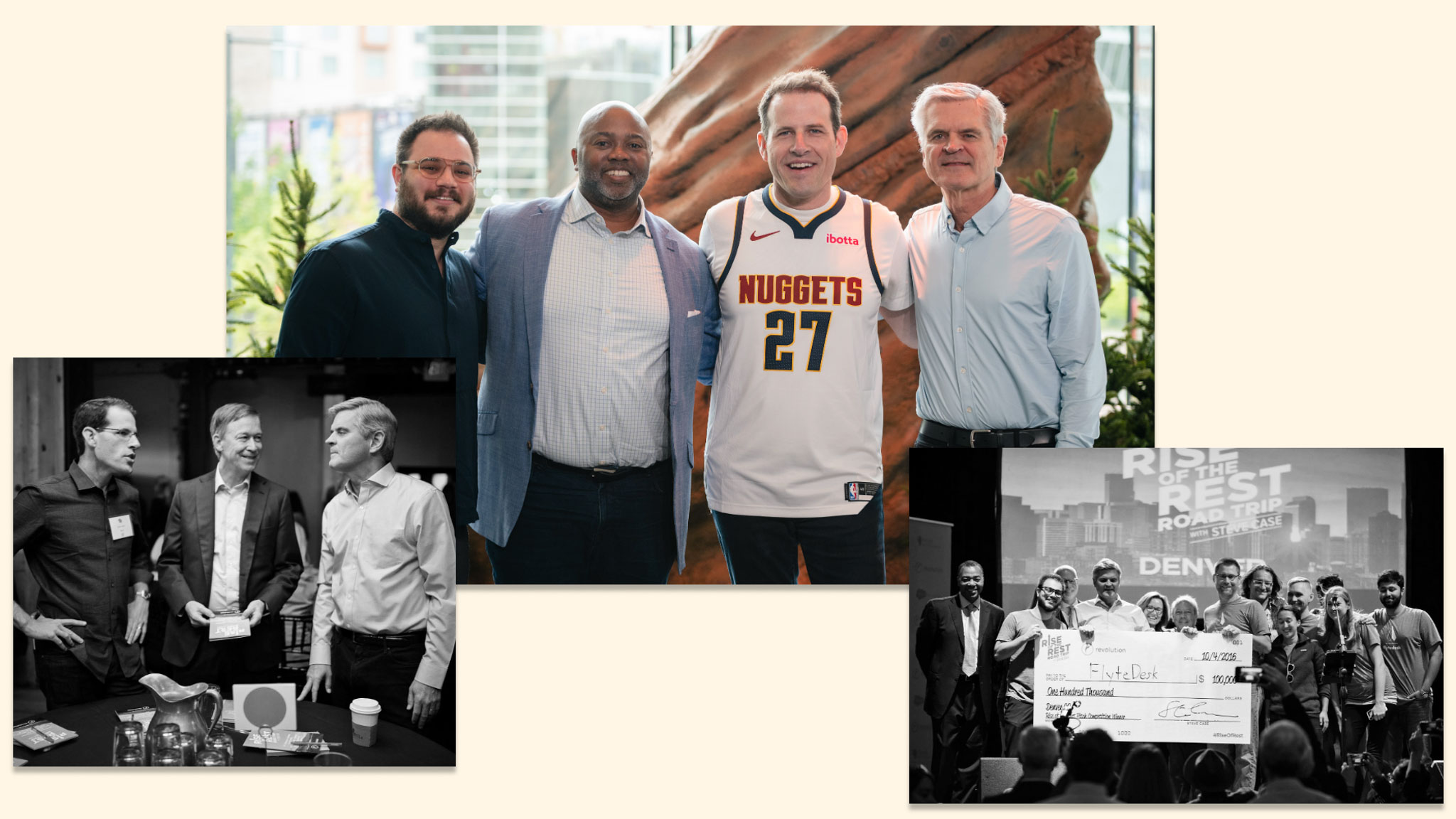
When we pulled the Rise of the Rest bus into Denver a decade ago, Bryan Leach was still early in building Ibotta, and Flytedesk had just won our pitch competition. Both were back in the room with us this year — Bryan as keynote speaker, having taken Ibotta public in 2024 in the largest tech IPO in Colorado history, and the founders of Flytedesk continuing to grow in the city where it got its start. The ecosystem has changed a lot since 2016, but the grit and the sense of community haven't.

We kicked off the Fly-In with an intimate founder dinner at Guard and Grace. The night continued at the Populus (Denver's first hotel that sequesters more carbon than it emits), designed after the aspen tree, whose groves are connected by a shared root system. The crowd matched the metaphor, with investors, founders, and members of the broader Denver tech and startup community showing up to connect.
On Resilience, Leadership, and What It Takes To Scale
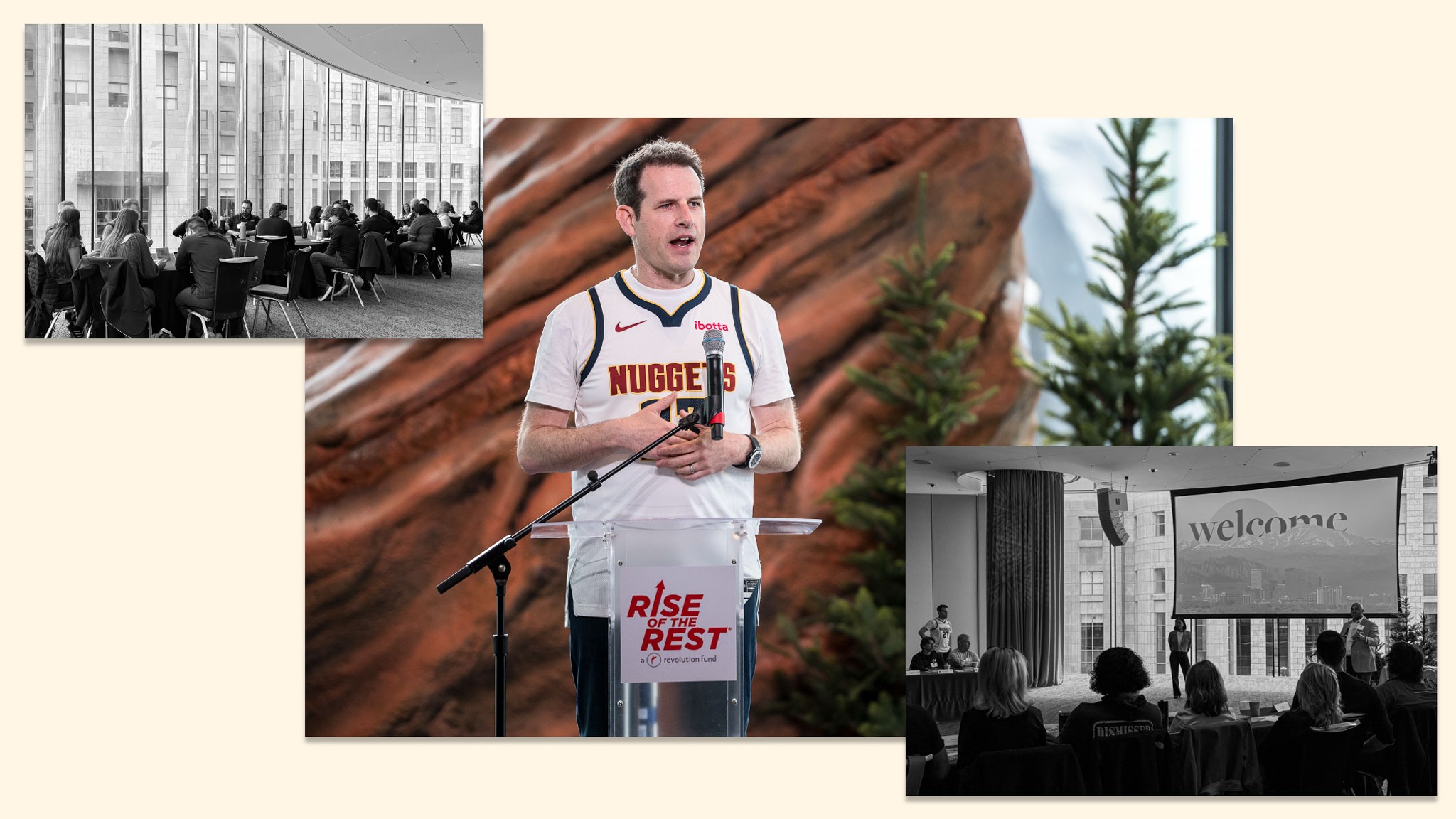
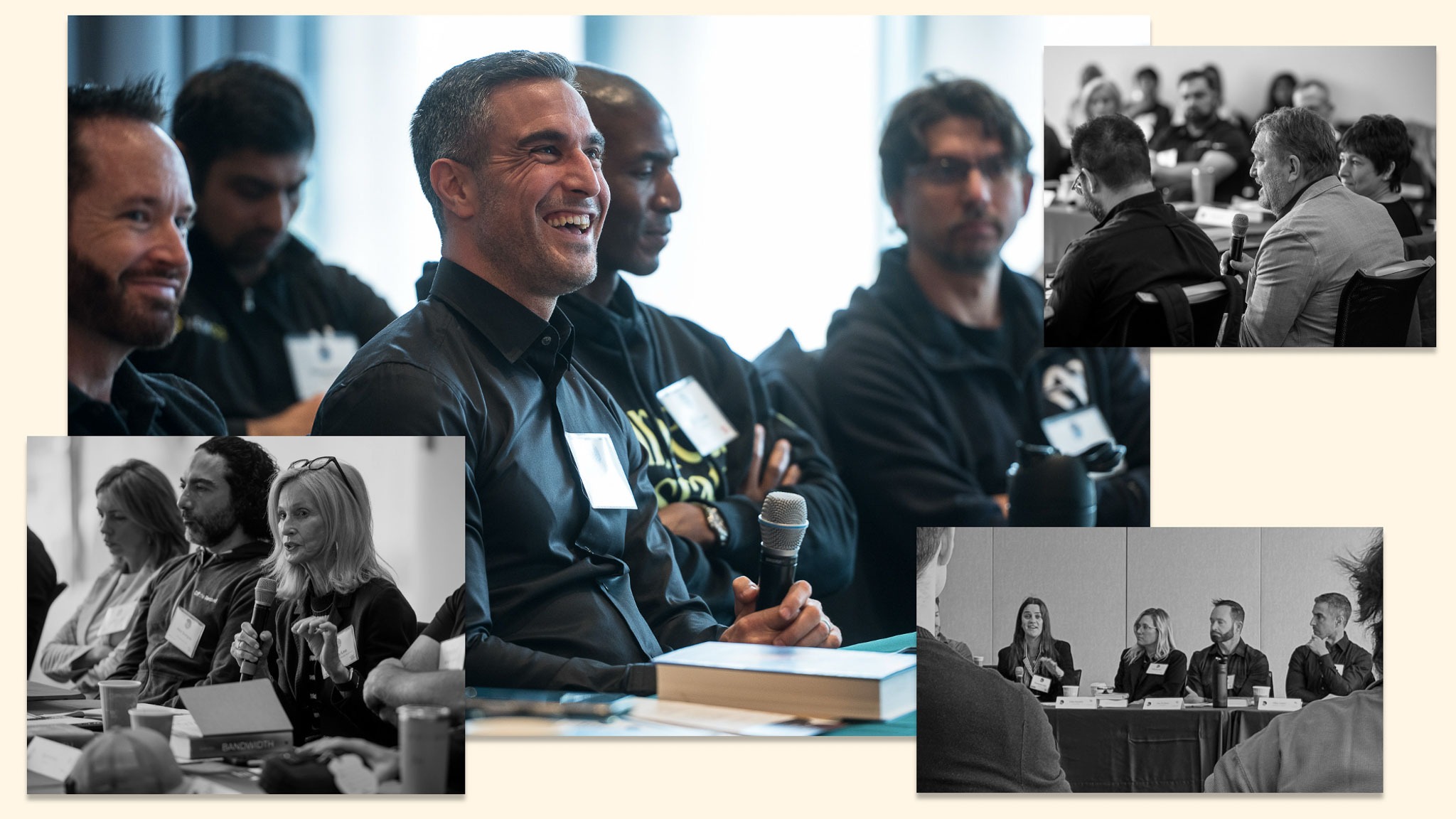
Bryan kicked off the next day with a discussion drawing on his experience building Ibotta into a public company. A few particularly salient takeaways:
- The things that keep founders up at night tend to fall into two buckets: what you care about and can control, and what you care about but can't. Learning to distinguish between the two builds resilience.
- If you lead with honesty, you get better ideas. Soliciting input while being unwilling to change course conditions teams to be dependent vs. empowered.
- Going public turns up the intensity on everything. But that discomfort is also where growth happens.
On Building Companies That Earn Their Options
From there, we moved into our roundtable on engineering optionality, led by four operators with deep experience in the Denver ecosystem, and across M&A, culture, deal-making, and board strategy.
Dan Caruso, who built Zayo into a $14B company through more than 100 acquisitions, reframed how founders should think about exits entirely. Rather than optimizing for a single outcome, he argued for building toward every possible exit opportunity while running the company as if you'll own it forever. On acquisitions specifically, his test is always: will it be worth more than you paid when you own it?
Rallyday VP Samantha Holt focused on what makes a company structurally acquirable. The founder-led functions that never got professionalized are usually what surfaces in diligence, and they tend to surface at inopportune times. She also made the case for thinking through team and culture fit before a deal is on the table. Post-acquisition culture shifts significantly, and knowing who is ready for that next chapter is worth contemplating on your own timeline.
nFluence Managing Director Mike Hakim focused on what happens when inbound interest shows up. His read on the current market: growth and profitability are a founder's best leverage, and the dust that gets swept under the rug always has a way of resurfacing. If a potential acquirer feels like they're giving you the runaround, that's usually telling you something.
Energize Colorado and Elevate Quantum co-founder Wendy Lea led the board dynamics discussion. Her take: Founders who present to their boards rather than engaging them are leaving significant value on the table. Ones who tap their boards for competitive intelligence, recruiting, customer introductions, and honesty tend to build acquisition interest before they're actively looking for it.
A few threads that ran through the conversation:
- Optionality is built. The founders with the most choices engineered them over time.
- The functions that don't get structured for scale early will get flagged in diligence later.
- Boards have a lot more to offer than quarterly oversight.
- In any market, growth and profitability are your strongest negotiating positions.

On Exits, Earn-Outs, and Separating Identity from Company
We closed the afternoon with a fireside with Anna Robertson, co-founder of The Cool Down, who recently navigated the company’s successful exit and came prepared to talk about all of it, including the parts that don't make the press release. Her advice on brand: Having a presence in the spaces your acquirers are paying attention to is what makes you findable to the right buyers. She was equally candid about the emotional reality of an exit. Separating your identity from something you gave years of your life to is its own kind of work, and it doesn't necessarily follow a deal timeline.
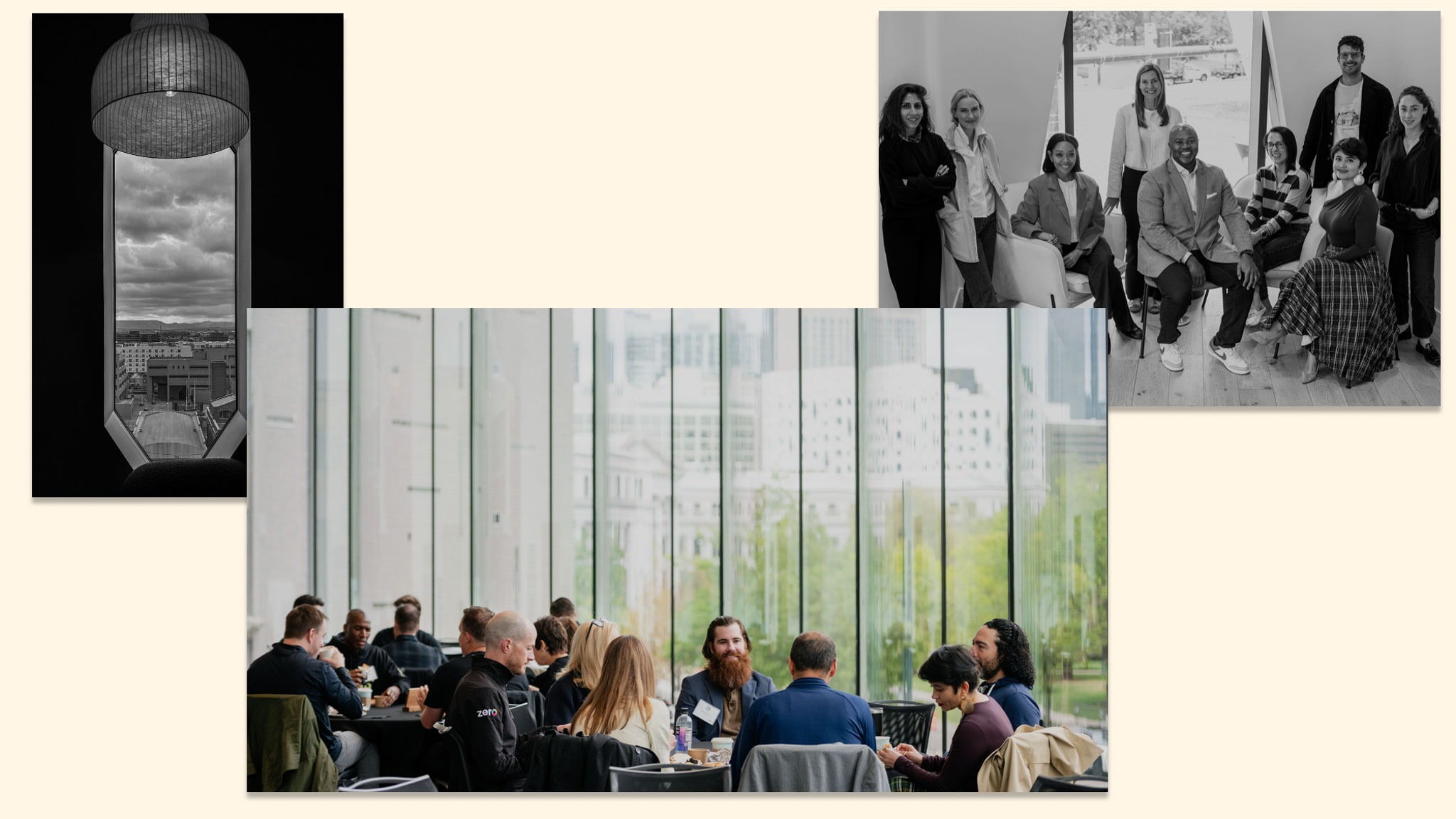
We’re so grateful to every founder who made the trip, and to Bryan, Dan, Samantha, Mike, Wendy, and Anna for the time and candor they brought to Denver. Thanks also to the broader Colorado ecosystem for the warm welcome. Until next time, 303!
.svg)